

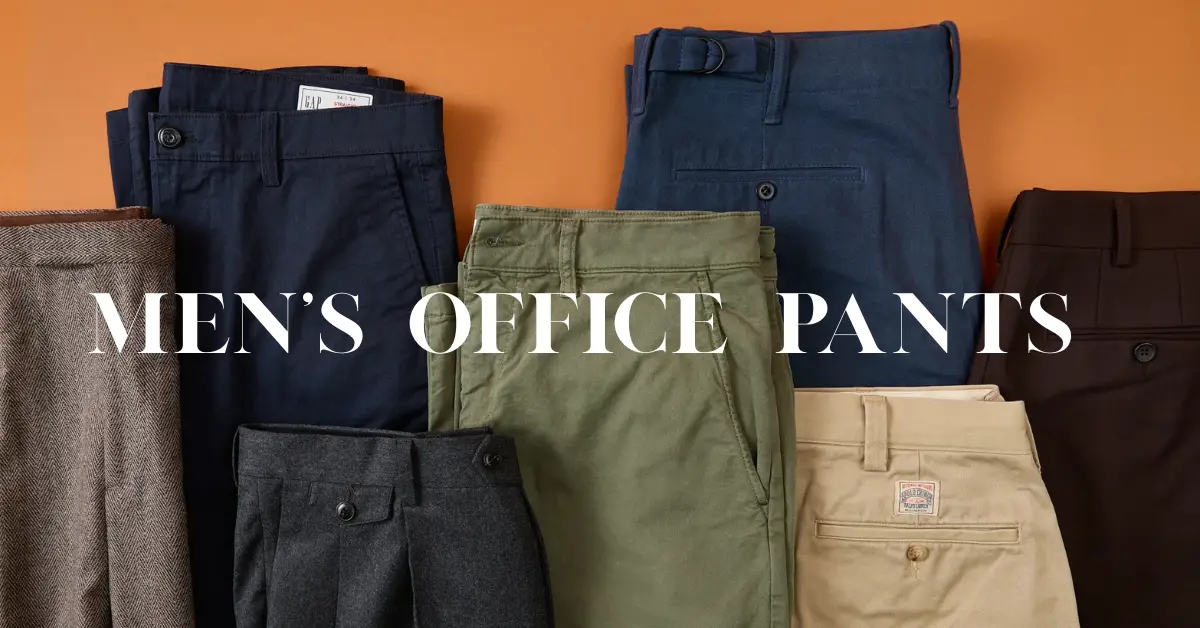
Choosing the right men’s office pants might seem like a simple wardrobe decision, but in reality, it plays a major role in how you present yourself at work. Whether you’re sitting through long meetings, commuting daily, or moving between client visits, your trousers need to balance comfort, durability, and professionalism. The right pair doesn’t just complete an outfit—it shapes your confidence, influences first impressions, and affects how comfortable you feel throughout the day.
In today’s modern workplace, dress codes are more flexible than ever. Some offices still follow formal business attire, while others lean toward smart casual or business casual. This shift has expanded the variety of office pants available for men, offering more choices in fit, fabric, and style than ever before.
This guide explores everything you need to know about men’s office pants, from styles and materials to fit, color coordination, seasonal dressing, and maintenance. By the end, you’ll have a clear understanding of how to build a versatile and practical wardrobe for work.
Why Men’s Office Pants Matter More Than You Think
Many people underestimate the importance of trousers in a professional outfit. Shirts, shoes, and jackets often get more attention, but pants are the foundation of your entire look. Poorly chosen trousers can make even an expensive shirt look unpolished, while well-fitted pants can elevate a simple outfit instantly.
Men’s office pants are important for three key reasons:
First, they define your silhouette. The way pants fit around your waist, thighs, and ankles influences your overall appearance. A sharp, tailored fit gives a structured and confident look, while baggy or overly tight pants can appear unprofessional.
Second, they affect comfort throughout the workday. Office routines often involve long hours of sitting, walking, or standing. Comfortable fabric and proper tailoring prevent discomfort and distractions.
Third, they communicate professionalism. Even in relaxed office environments, clean and well-fitted trousers signal discipline, attention to detail, and respect for workplace standards.
Common Types of Men’s Office Pants
There is no single style that fits every workplace. Instead, men’s office pants come in several types, each suited for different dress codes and preferences.
1. Formal Dress Pants
Dress pants are the most traditional option. They are typically worn in corporate environments where formal attire is expected. These pants are usually made from wool or wool blends and feature a straight or slightly tapered cut.
They pair well with dress shirts, blazers, and leather shoes. Colors are usually conservative, such as black, navy, charcoal, or dark grey.
2. Chinos
Chinos are a popular choice in modern workplaces due to their versatility. Made from cotton twill, they offer a balance between casual and formal wear. They are lightweight, breathable, and available in a wide range of colors.
Chinos can be paired with shirts, polos, or even casual blazers, making them ideal for business casual environments.
3. Slim-Fit Trousers
Slim-fit trousers are designed to create a modern, tailored look. They taper down toward the ankle and provide a clean silhouette without being overly tight.
These are especially popular among younger professionals and in creative industries where style matters as much as formality.
4. Relaxed-Fit Office Pants
Relaxed-fit pants prioritize comfort. They provide more room around the thighs and waist, making them ideal for long workdays or individuals who prefer less restrictive clothing.
While not as sharp as slim-fit styles, they still maintain a professional appearance when styled correctly.
5. Stretch Trousers
Stretch office pants are made with a blend of traditional fabric and elastane or spandex. This adds flexibility, allowing easier movement throughout the day.
They are becoming increasingly popular because they combine the look of formal trousers with the comfort of casual wear.
Fabrics Used in Men’s Office Pants
Fabric selection is one of the most important factors when choosing office pants. It affects comfort, durability, appearance, and even how much maintenance is required.
Wool
Wool is a classic choice for formal office pants. It is breathable, durable, and naturally resistant to wrinkles. Wool trousers maintain their structure well, making them ideal for long workdays and professional settings.
Cotton
Cotton is commonly used in chinos and casual office pants. It is lightweight, soft, and breathable. However, pure cotton can wrinkle easily, so it is often blended with synthetic fibers for better performance.
Polyester Blends
Polyester blends are highly durable and wrinkle-resistant. These fabrics are low-maintenance and retain their shape well, making them practical for daily office wear.
Linen
Linen is ideal for hot climates due to its breathability. However, it wrinkles easily, which makes it better suited for relaxed or summer office environments rather than strict corporate settings.
Stretch Fabrics
Stretch materials include elastane or spandex blended with cotton or polyester. These fabrics provide comfort and flexibility while maintaining a structured appearance.
Finding the Perfect Fit
Fit is arguably the most important factor when selecting men’s office pants. Even the most expensive trousers will look unprofessional if they don’t fit properly.
Waist Fit
The waistband should sit comfortably without needing a belt to hold it up. If you need to constantly adjust your pants, the size is not right.
Thigh Fit
The thigh area should allow comfortable movement without looking too loose or tight. A balanced fit here ensures both comfort and a clean silhouette.
Length
The length of office pants should break slightly above the shoes, creating a small crease. Pants that are too long will bunch up, while overly short pants may look awkward.
Tapering
Tapered pants narrow toward the ankle, offering a modern and streamlined appearance. However, the taper should be subtle enough to maintain comfort.
Choosing the Right Colors
Color plays a major role in how professional your outfit looks. While personal style is important, office environments usually favor neutral and classic tones.
Black
Black office pants are timeless and highly formal. They pair well with almost any shirt and are ideal for meetings, presentations, or formal events.
Navy Blue
Navy is one of the most versatile colors for men’s office pants. It offers a professional look while being slightly less formal than black.
Grey
Grey pants are a staple in business wardrobes. Light grey works well for daytime and warmer seasons, while charcoal grey is perfect for formal settings.
Beige and Khaki
These lighter shades are ideal for business casual environments. They work especially well in warmer climates and pair nicely with lighter shirts.
Seasonal Considerations
Different seasons require different fabric weights and styles.
Summer
In hot weather, lightweight fabrics such as cotton, linen, and breathable blends are ideal. Light-colored pants help reflect heat and keep you cooler.
Winter
During colder months, heavier fabrics like wool or thicker blends provide warmth and structure. Darker colors also dominate winter wardrobes.
Transitional Seasons
Spring and autumn allow for flexibility. You can mix lightweight wool blends and cotton chinos depending on temperature changes.
How to Style Men’s Office Pants
Styling office pants is about balance and coordination.
With Dress Shirts
A classic combination is tailored pants with a crisp dress shirt. This works well for formal offices and client meetings.
With Blazers
Adding a blazer instantly elevates your outfit. Matching or contrasting blazers can create either a cohesive or stylishly broken suit look.
With Polo Shirts
In business casual settings, polos paired with chinos or slim trousers create a relaxed yet professional appearance.
With Shoes
Shoes complete the look. Leather oxfords and loafers are ideal for formal outfits, while clean sneakers may work in modern offices.
Common Mistakes to Avoid
Even small mistakes in choosing office pants can affect your overall appearance.
One common mistake is wearing the wrong size. Pants that are too tight restrict movement, while overly loose pants look unprofessional.
Another mistake is ignoring fabric quality. Cheap materials may wear out quickly or lose shape after washing.
Overlooking dress code requirements is also a problem. Not all workplaces allow casual styles like chinos or sneakers.
Finally, neglecting maintenance can ruin even the best trousers. Wrinkles, stains, and fading reduce professionalism significantly.
How to Care for Men’s Office Pants
Proper care extends the life of your trousers and keeps them looking sharp.
Always follow washing instructions based on fabric type. Wool pants may require dry cleaning, while cotton and polyester blends are usually machine washable.
Avoid over-washing, as it can weaken fabric fibers. Instead, air out pants after wearing them when possible.
Use proper hangers to maintain shape, and iron or steam regularly to remove wrinkles.
Storing pants properly also matters. Hanging them rather than folding helps prevent creases and maintains structure.
Current Trends in Men’s Office Pants
Modern office fashion is evolving, and trousers are no exception.
One major trend is the rise of hybrid office pants that combine formal appearance with athletic comfort. These often include stretch fabrics and ergonomic tailoring.
Another trend is minimalist styling. Clean lines, simple colors, and subtle detailing are preferred over flashy designs.
Slim and tapered fits remain popular, but there is also a growing appreciation for relaxed, comfortable fits that still look professional.
Sustainable fabrics are also gaining attention as more brands focus on eco-friendly production methods.
Building a Versatile Office Wardrobe
Instead of owning dozens of pairs of pants, building a small but versatile collection is more practical.
A good foundation includes:
- One pair of black formal trousers
- One pair of navy dress pants
- Two pairs of chinos in neutral colors
- One pair of grey trousers for flexibility
- One stretch or comfort-focused pair for long workdays
This combination ensures you are prepared for any office situation, from formal meetings to casual Fridays.
Final Thoughts
Men’s office pants are more than just a wardrobe necessity—they are a key part of professional identity. The right pair can enhance confidence, improve comfort, and ensure you always look appropriate for the workplace.
By understanding different styles, fabrics, fits, and colors, you can make informed choices that suit your lifestyle and work environment. Whether you prefer classic dress pants or modern stretch chinos, the goal is always the same: a balance of professionalism, comfort, and personal style.
A well-dressed man is not just noticed for what he wears, but for the attention to detail behind it. And in most cases, that starts from the ground up—with the perfect pair of office pants.
